
Electric or Gas Oven: Which One Is Better for Your Kitchen?
By:Admin
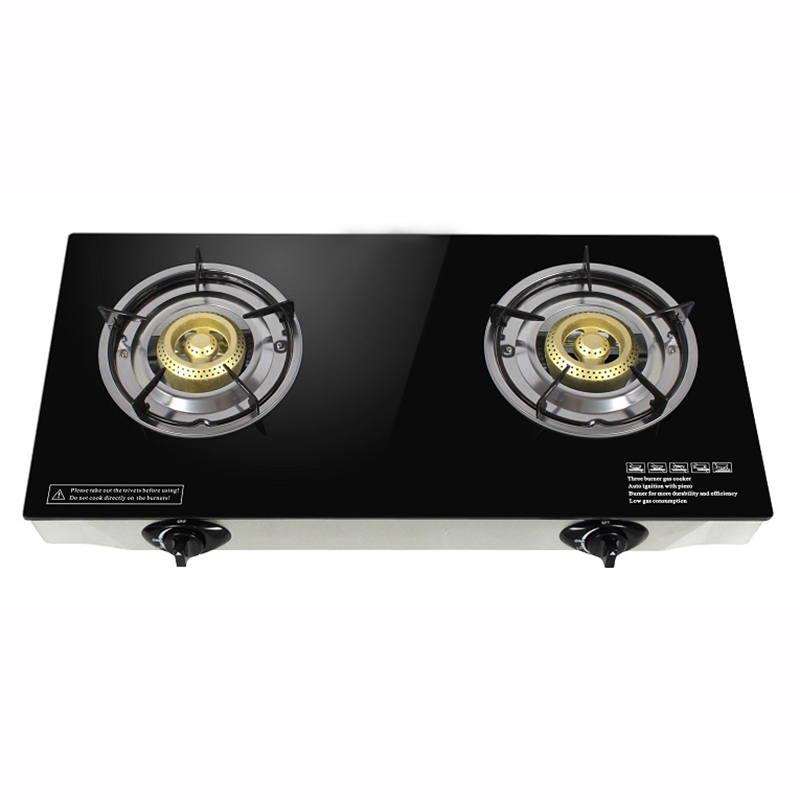
In today’s modern kitchens, ovens play an essential role in meal preparation, blending convenience, efficiency, and style. When it comes to selecting the ideal oven, consumers often grapple with the decision between electric and gas models. Both types of ovens offer unique advantages, and understanding their features can help families and chefs alike make informed purchases.
**Electric Ovens: Precision and Consistency**
Electric ovens have gained popularity in recent years due to their precise temperature control and even cooking results. Thanks to their heating elements located at the top and bottom of the oven, they provide consistent heat distribution, which is particularly beneficial for baking cakes, cookies, and bread. Many electric ovens feature convection settings, where fans circulate hot air to reduce cooking times and produce evenly cooked food.
Users also appreciate the sleek, modern design of electric ovens, which often include digital controls and programmable timers. These features simplify cooking processes, allowing users to set exact temperatures and cooking durations for perfect results every time. Additionally, electric ovens don’t require a gas connection, making them suitable for homes without natural gas access.
**Gas Ovens: Speed and Economical Operation**
Gas ovens remain a favorite for many home cooks and professional chefs due to their rapid heating capabilities and cost efficiency. Compared to electric models, gas ovens heat up more quickly, allowing users to start cooking without delay. The live flame produces moist heat, which can be advantageous for roasting meats and vegetables, helping to retain moisture and enhance flavors.
A significant benefit of gas ovens is their lower operating cost. Natural gas tends to be less expensive than electricity in many regions, which can translate into savings on utility bills. Many consumers also prefer the tactile experience of adjusting gas knobs and observing the flame intensity directly, giving them a sense of control over the cooking process.
**Key Considerations When Choosing an Oven**
When deciding between electric and gas ovens, several factors should be considered:
1. **Installation and Availability:** Electric ovens require a dedicated electrical circuit. Conversely, gas ovens need a natural gas line and proper ventilation. Homeowners should evaluate the feasibility of installing the required infrastructure or check if their kitchen already supports either option.
2. **Cooking Style:** Serious bakers might prefer electric ovens with convection features for uniform baking, while grill and roast enthusiasts may lean toward gas ovens for their radiant heat and moisture retention.
3. **Budget:** Initial purchase prices for gas ovens are often lower, but ongoing fuel costs and installation expenses vary. Conversely, electric ovens might be pricier upfront but are easier to install in many homes.
4. **Safety:** Electric ovens don’t involve open flames, presenting fewer fire hazards. Gas ovens require careful maintenance to avoid leaks and ensure proper combustion.
**Company Commitment to Quality and Innovation**
The company behind these ovens has long been recognized for its dedication to quality, innovation, and customer satisfaction. With decades of experience in the home appliance industry, it continually strives to offer products that combine performance and durability while embracing the latest technological advancements.
Research and development teams work closely with culinary experts to design ovens that cater to diverse cooking needs. The company invests heavily in energy efficiency measures and environmental sustainability, ensuring that its ovens meet strict regulatory standards and reduce household energy consumption.
Furthermore, customer support and service are pillars of the company’s mission. Offering comprehensive warranties, responsive assistance, and a vast network of service centers, it guarantees that customers receive reliable support throughout their appliance’s lifespan.
**Sustainability and Future Trends**
As environmental considerations grow in importance among consumers, the company is also focusing on developing greener appliance solutions. Innovations like eco-friendly insulation materials, energy-saving modes, and smart connectivity features that allow remote monitoring and control are examples of how the company is addressing modern consumer expectations.
The future of cooking appliances looks promising, with technologies like induction ovens, enhanced convection systems, and AI-driven cooking programs on the horizon. The company remains committed to integrating such features to provide consumers with the best cooking experience possible.
**Conclusion**
Selecting between an electric and gas oven ultimately depends on individual preferences, cooking habits, and kitchen infrastructure. Electric ovens offer precision, modern features, and even cooking, making them ideal for bakers and tech-savvy users. Gas ovens provide quick heating, economical operation, and moist cooking conditions favored by many chefs.
Backed by a company committed to quality, innovation, and customer satisfaction, consumers can confidently invest in ovens that meet their specific needs and enhance their culinary adventures. Whether you prioritize convenience, cost savings, or cooking style flexibility, the right oven is out there to transform your kitchen experience.